 Get in touch
Get in touch
Get in touch
Evidence is data made sound and told well. Elliptica does both, for government agencies, SMEs and non-profits whose decisions have to hold up, in the boardroom, in a funding round and in public.
Not a platform to license, and not a large firm's overhead: direct access to the person who built the methodology, at a scope your organisation can actually carry.
Six checks that map the decision before the deliverable, so the wrong thing doesn't get built around it.
Many organisations have a change in mind nobody has turned into a question. Some have data nobody has turned into an answer. Others have an answer nobody has turned into change. At every stage the missing skill is the same: translating between the data and the decisions it has to serve.
Buying capability is not the same as building the understanding needed to use it. The tool arrives; the translation work does not.
88% of leaders say data literacy matters, yet 60% still report a real skills gap. Courses raise awareness; they rarely change what happens in the room.
BI adoption averages 25% of employees, with a median of 14.3%: dashboards get built around available data, not a decision. Dashboards built for everyone are built for no one.
Every decision lives in a political environment, where the barriers that stop good work landing matter as much as the technical requirements, and get missed just as often. Even in AI, the companies that get value put 70% of the effort into people and process, not the technology.
Elliptica spends its effort the same way: understanding the people and processes at play, then designing a data solution that fits. One rule stays constant: don't overcomplicate. The method fits your context, not the market's newest trend.
Dashboards, models and AI systems stay within the systems you already own, cheap to run and maintain, delivered by a small, engagement-specific team, not a large firm's overhead.
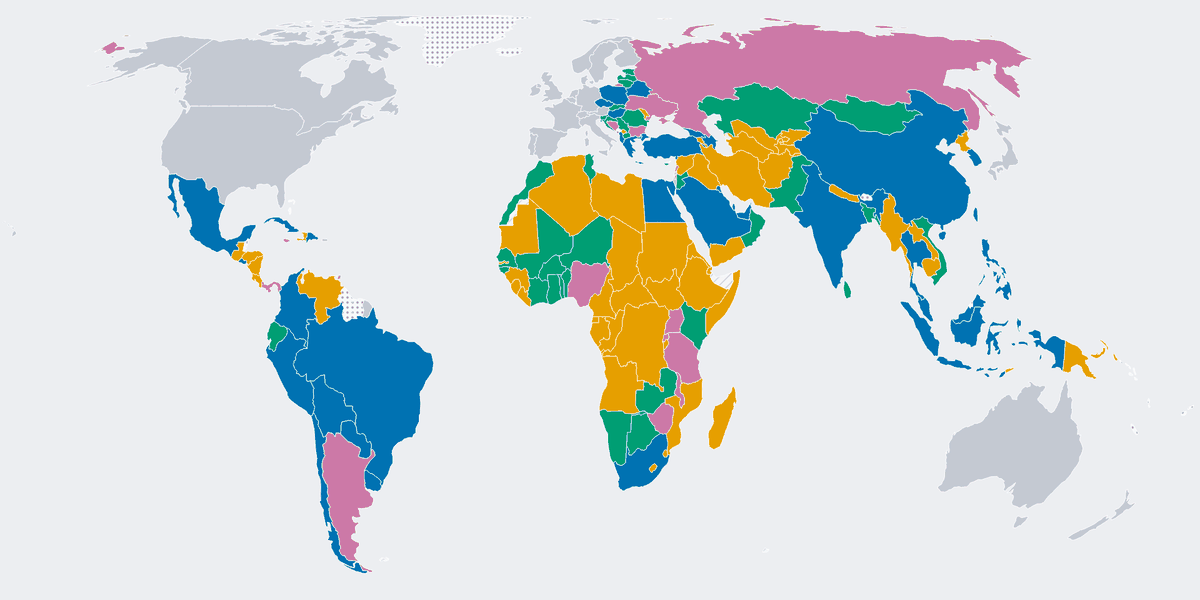
The Global Youth Development Index scores 183 countries on how young people are faring, across six domains covering education, health, employment, equality, peace and political participation. Six dimensions resolve into one score, so countries can be ranked against each other and tracked over time.
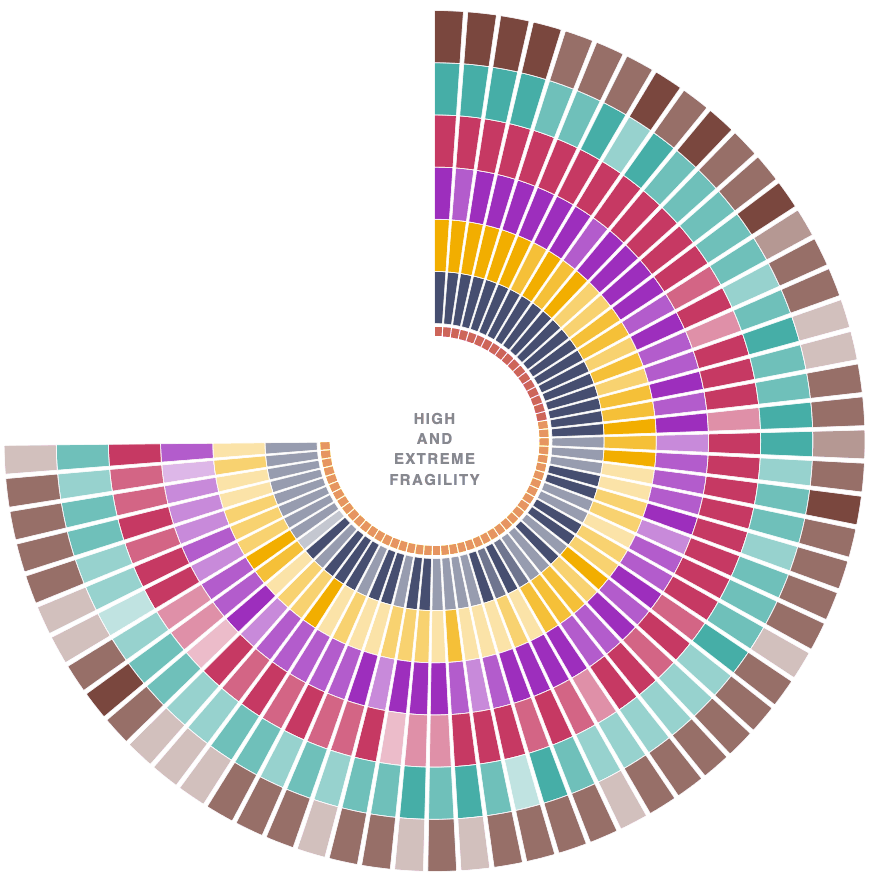
The OECD’s fragility framework tracks what a country is exposed to and what it can cope with, and grades the intensity of fragility across 177 countries and territories. It also follows the aid and other financial flows reaching them, so support can be judged against where the need actually is.
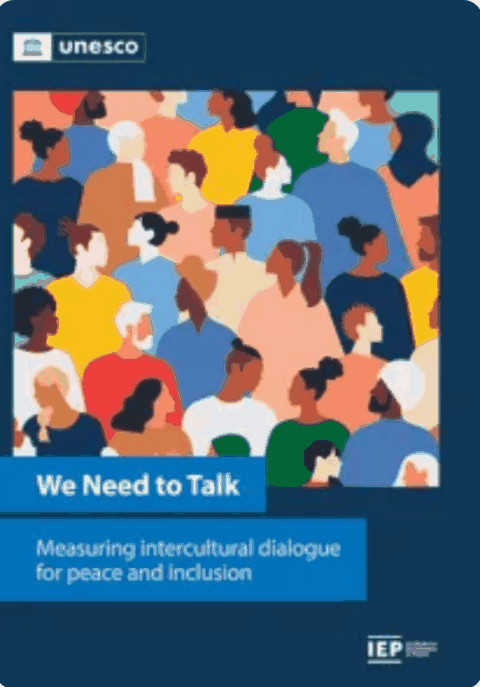
We Need to Talk set out the first evidence linking intercultural dialogue to peace, conflict prevention and non-fragility, across data covering more than 160 countries. It built a measurement framework around the structures, processes and values that let dialogue happen, then tested what each is worth, with regional trends and country case studies.
A PhD in decision science and 25 years turning incomplete data across 160+ countries into estimates governments and investors could act on, consulting directly for the Australian Government, OECD, World Bank, UN and World Vision.
That rigour is paired with something most analytics providers don't have: a background teaching high school, and real experience in how people learn, where they get stuck and how to communicate something difficult so it actually lands, whether the audience is a board or the public.
Scrutiny is rising, and evidence made sound and told well is how you meet it. Whether you hold years of data or none at all, the first step is the same: the Elliptica Briefing, matching technology and strategy to the decision environment you work in, and setting out what your evidence already supports, where the change is at risk and what would strengthen it.
Tell us the decision you're trying to make and the change you have in mind. It takes two minutes, and it lands with the person who'll do the work.